Hotel Lutetia: The Left Bank's Most Lavish Hotel
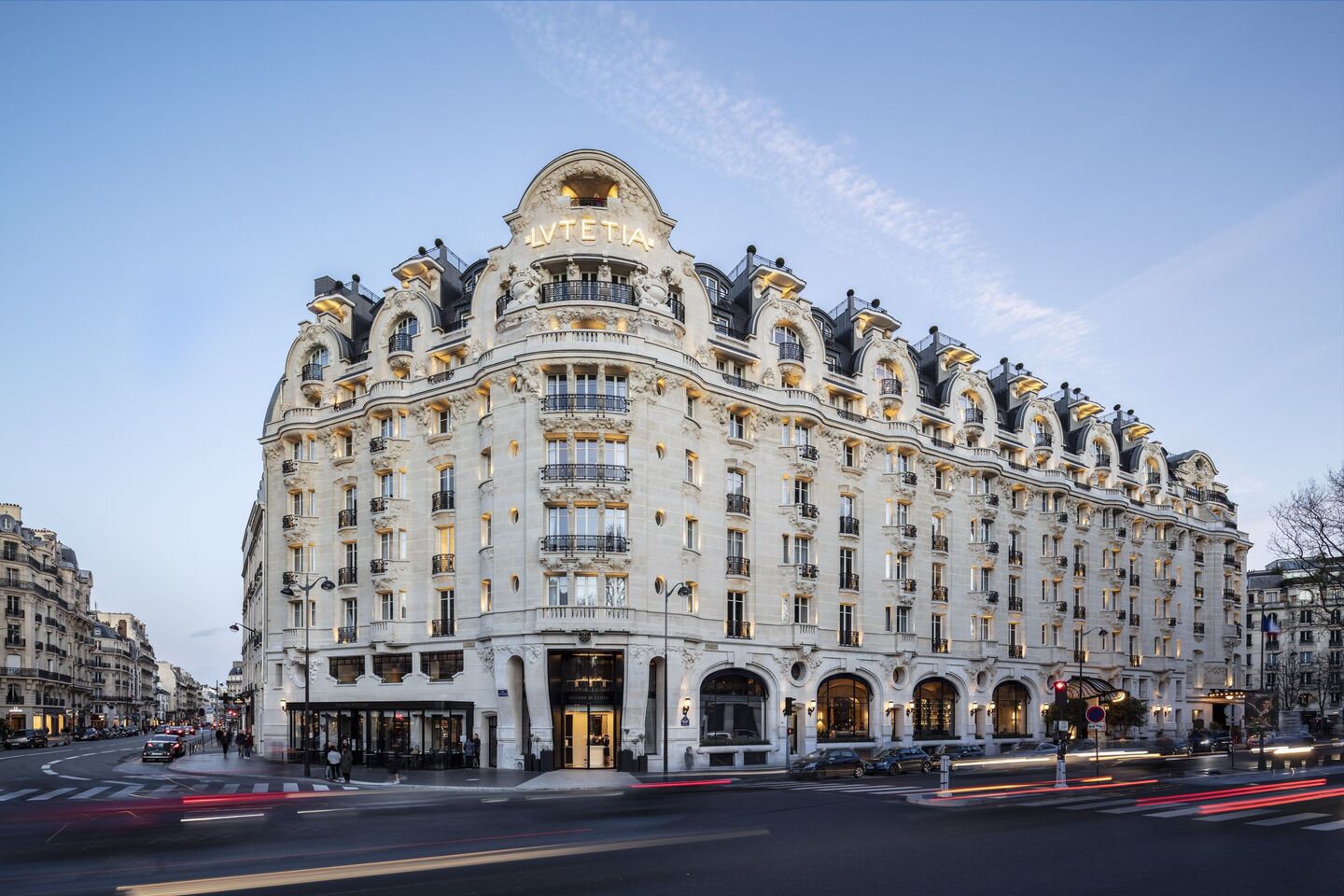
Situated in the heart of St Germain des Prés sits the only “Grand Hotel” on Paris’ Left Bank. A relic of France’s Belle Époque period, the Hôtel Lutetia has traded many hands since it’s opening in 1910. Built as a hotel, the site has gone on to function as a counter-espionage Nazi office during World War II, a site for concentration camp victims to relocate loved ones, and finally, the Lutetia has been returned to its intended opulence.
Text
Hotel Lutetia was built by French entrepreneurial family, the Boucicauts. Patriarch, Aristide Boucicaut, was born in Bellême, France, about 100 miles West of Paris, in 1810. He found himself in Paris in 1835, working as an apprentice for a traveling salesman. He went on to work for a magasin de nouveauté (novelty store) which sold dry goods, fabrics, and other miscellaneous goods.
Boucicaut worked his way up at the magasin de nouveauté and found himself a business partner, Paul Videau, and shared ownership of a novelty store on the Left Bank, Au Bon Marché Videau. Here, Boucicaut was able to test new marketing tactics, such as extravagant window displays, seasonal sales, and newspaper advertising.
After finding success with his new marketing tactics, Boucicaut’s partner, Videau, sold his remaining shares of the novelty shop to Boucicaut. Marché Videau was wildly successful under the management of Boucicaut, turning a 1,000% yearly profit. The shop was not only financially successful, but Boucicaut introduced pensions, boarding for unmarried workers, most of which were women, promotion from within, and paid sick leave for employees.
In the late 1860’s, Boucicaut met entrepreneur Henry-Francois Maillard from New York who introduced him to the concept of a multi-story building built entirely for the sale of merchandise. By 1869 the new department store, Le Bon Marché, was built with aid from engineer, Gustave Eiffel. The building was finished ten years after the death of Boucicaut and was operated by his widow.
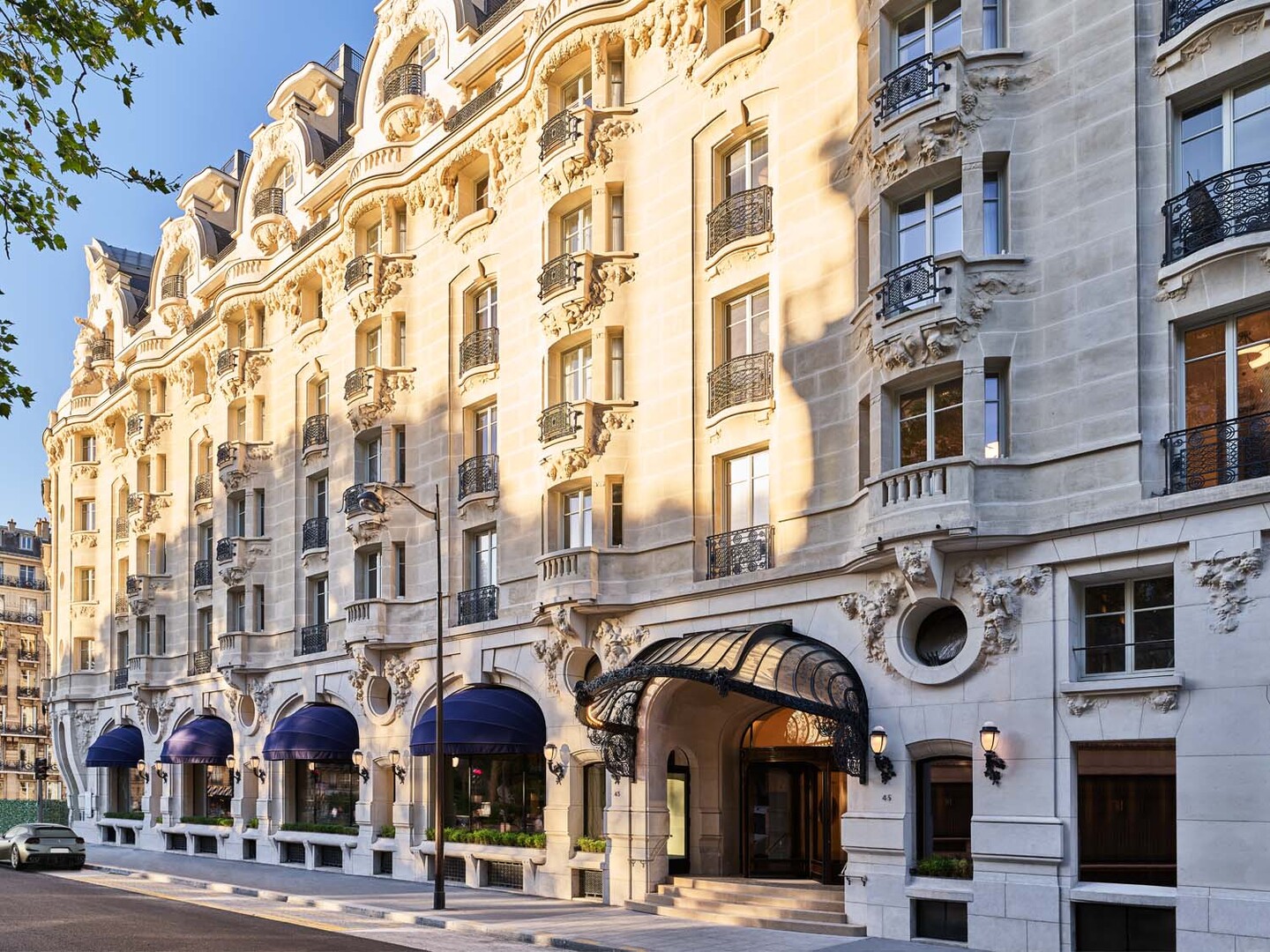
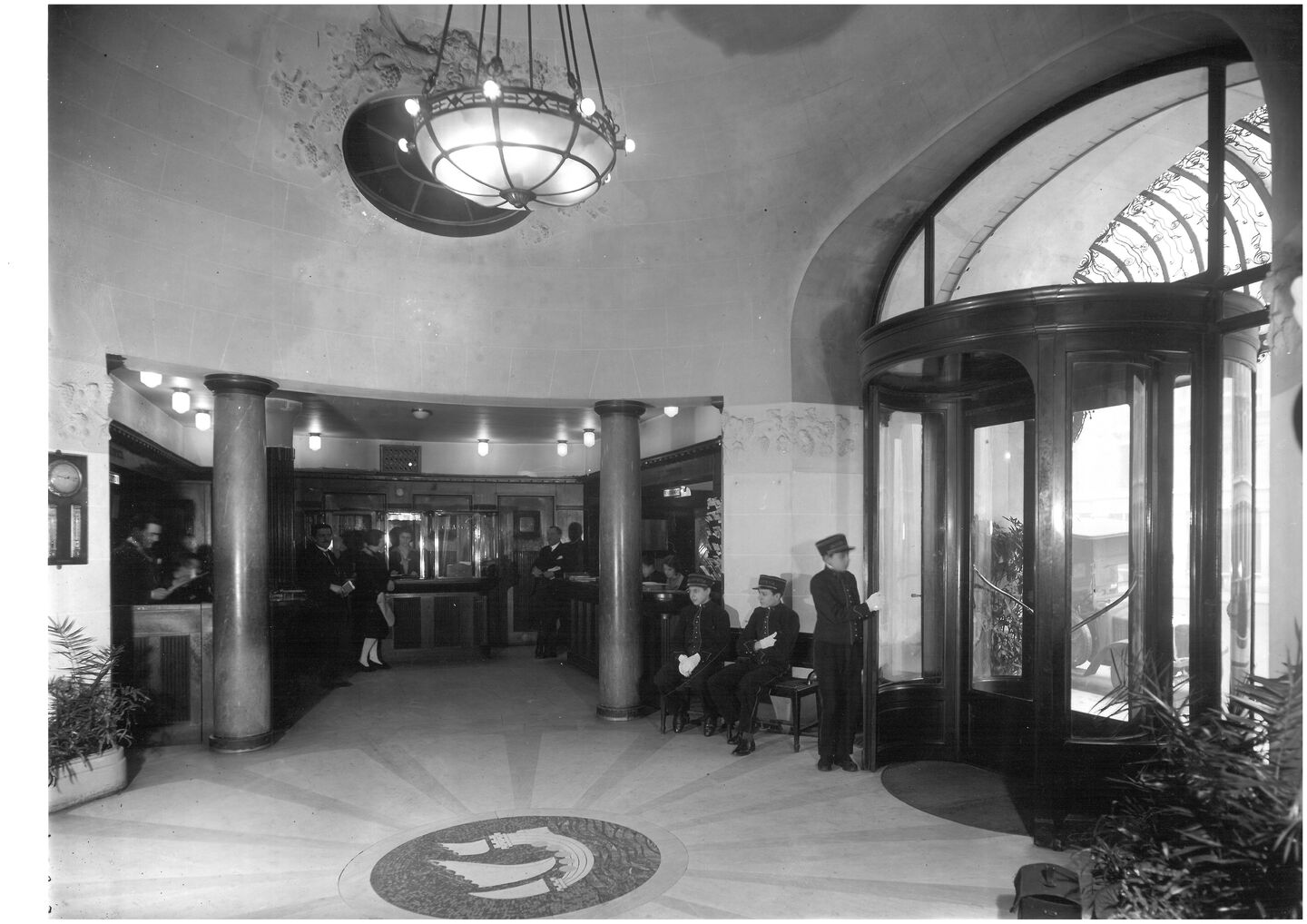
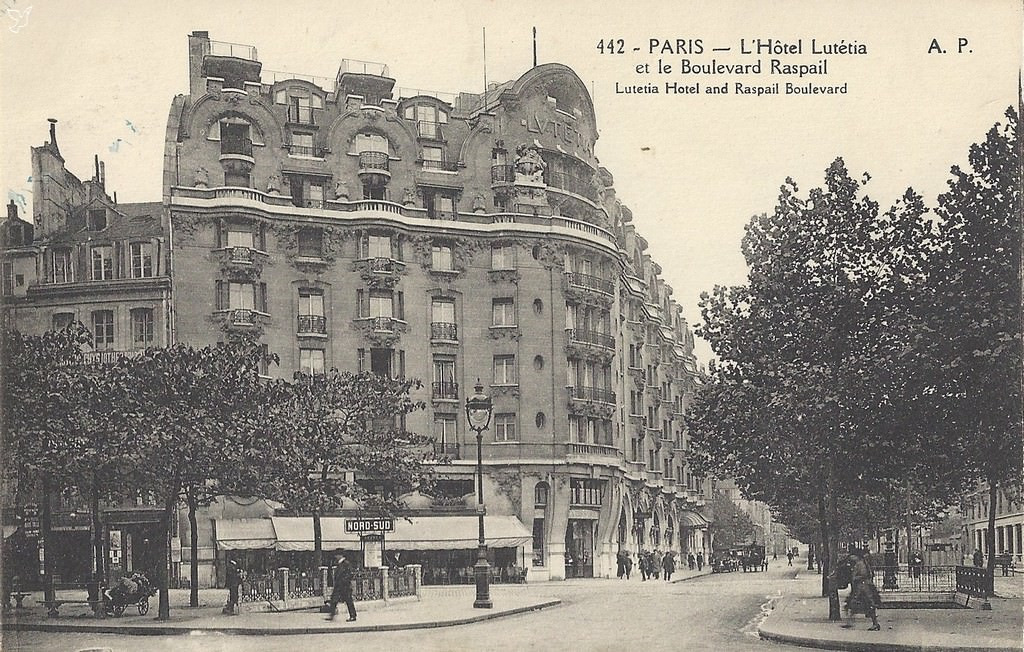
Today, Le Bon Marché is still operated as a department store boasting high end luxury designer goods. Finally, on December 28, 1910, more than twenty years after the death of Boucicaut, Hôtel Lutetia opened. Built to accommodate the elite patrons of Le Bon Marché, the advisory board of Le Bon Marché contracted architects Louis-Charles Boileau and Henri Tauzin. The construction of the hotel was considered innovative in its use of glass, steel, and concrete. It also featured air conditioning, hot water, and telephones. Boileau was involved in the original construction of Le Bon Marché. The board also hired sculptor, Léon Binet, to carve the limestone façade. Binet is credited with sculpting the facades on a number of grand buildings in Paris. He is known for his intricate and organic, almost dreamlike style, very much in line with the popular art-nouveau style of the early 1900’s.
The hotel was a hot bed for celebrity visitations.among them Picasso, James Joyce, Simone de Beauvoir and Charles De Gaulle. . James Joyce wrote part of his novel, Ulysses, while boarding at the hotel. This was short lived as the Nazis conquered Paris in 1940. Lutetia was taken up as the headquarters for the counter intelligence agency, the Abwehr. In August of 1944, the Nazis withdrew from Paris and French and American forces moved into the hotel. During this period, the hotel was repurposed into a medical center and a reunification center for Jewish families who had been in concentration camps or imprisoned during the war.
In 1985, the 40-year anniversary of the camps' liberations, a plaque was placed on the hotel.
The plaque reads:
“From April to August 1945, in this hotel, then transformed into a reception center, received a large part of the survivors of the Nazi concentration camps. Happy to find a freedom and the dear ones to whom they had been wrenched. Their joy could not erase the anguish and sorrow of the families of the thousands of disappeared who vainly waited for theirs in these places”
After the war, the hotel began operation as a hotel and once again caught the attention of the rich and famous. David Lynch, Peggy Guggenheim, and Yves-Saint Laurent were all familiar faces during this ear. In 1955, Lutetia was purchased by the Tattinger family, well known for their production of Champagne. Tattinger Champagne was then sold in 2005 to Starwood Capitol, who finally sold the hotel to Israeli Alrov Group in 2010 for 150 million euros. In 2014, Alrov Group closed the hotel for a proposed $100 million renovation. Finally, after four years of construction, and $234 million later, the hotel reopened in July of 2018.
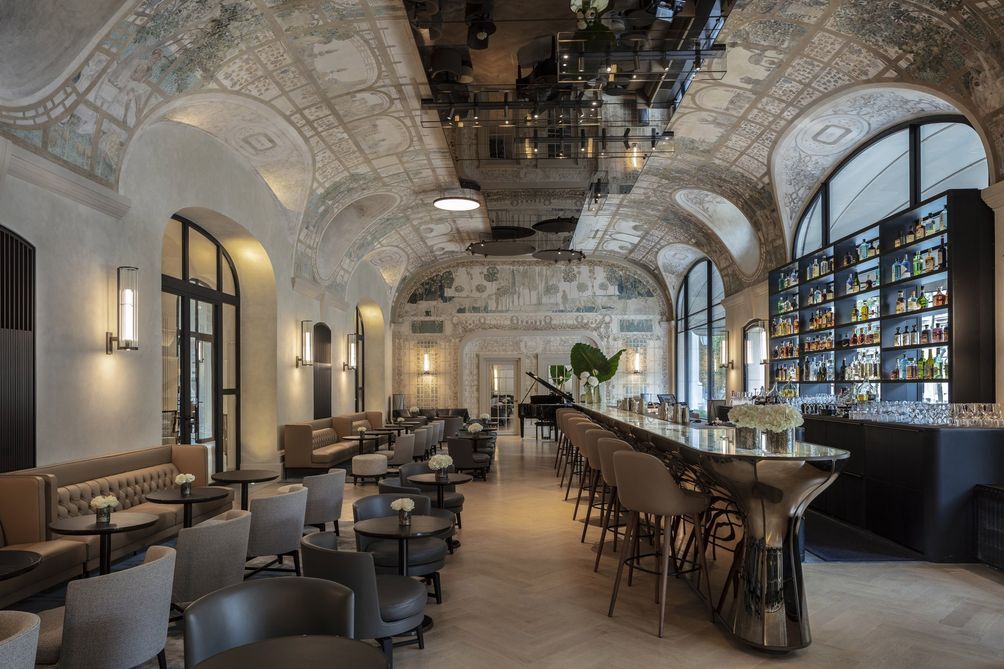
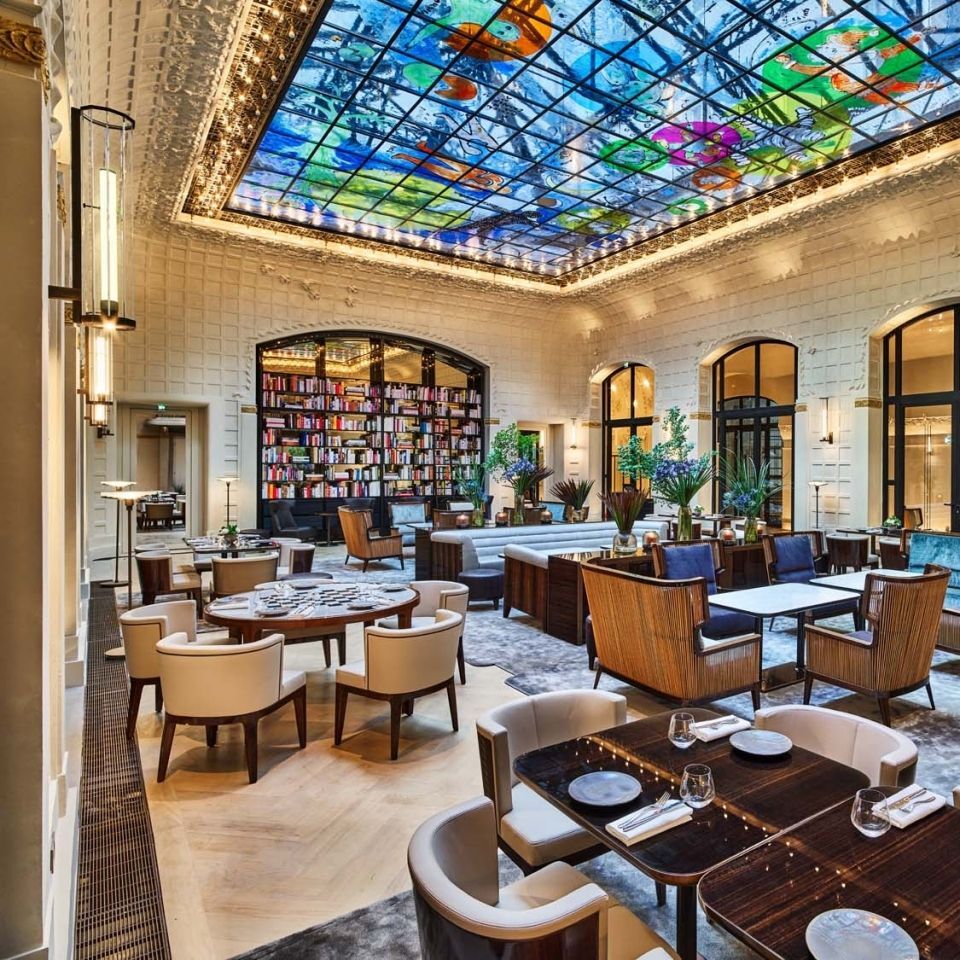
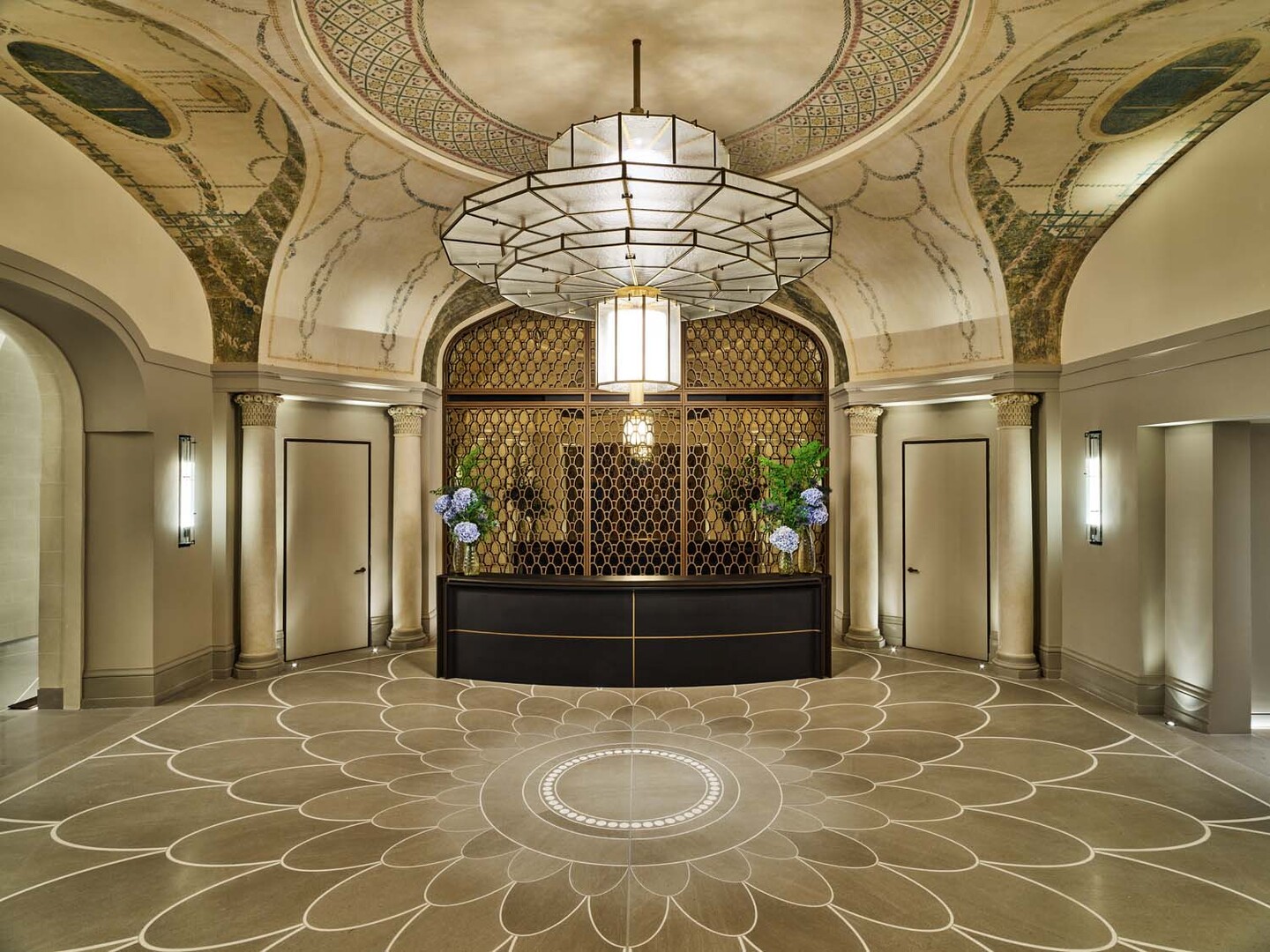
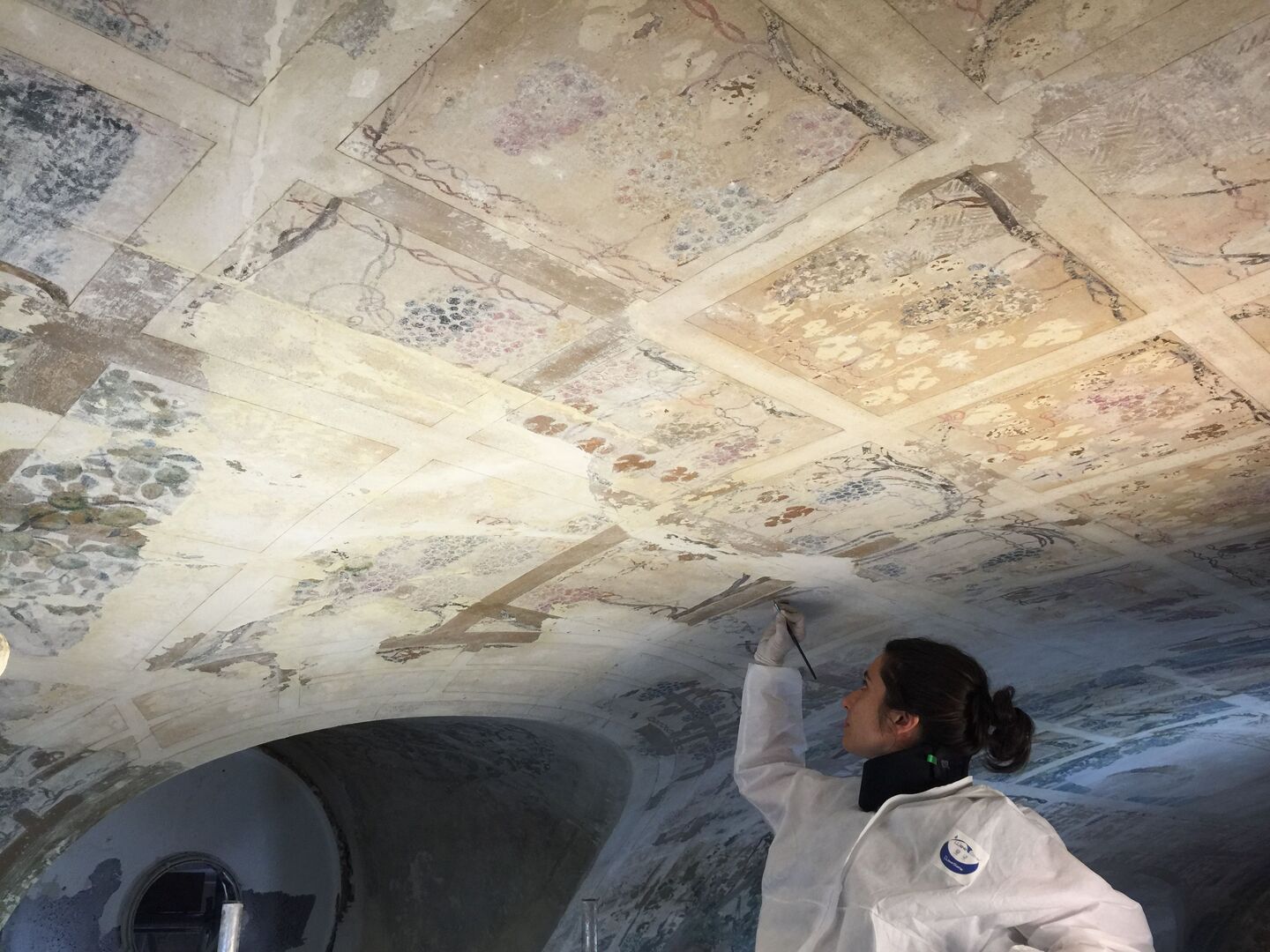
Guest rooms reduced from 230 to 184 to accommodate much larger and luxurious suites. The Bar Joséphine features historical fresco paintings as well as the architectural design input from renowned architect, Jean-Michel Wilmotte. Room rates vary between 850 euro to 19,000 euro a night. The rooms feature solid marble bathrooms, custom 1930’s inspired furniture, Hermes toiletries, some rooms feature balconies with views of the Eiffel Tower.